


Challenge
Mining is one of Australia’s most historically homogenous industries, with women making up around one in five workers and holding only around one in seven executive roles, and in some skilled trades they represent just a tiny fraction of the workforce. Our client faced the additional complexity of remote site locations limiting diverse talent pools, intense competition from major miners including BHP and Rio Tinto pursuing aggressive 40% diversity targets, and historically low Indigenous workforce participation. Closing these gaps required a fundamentally different approach to talent strategy.
Solution
Harrier designed and implemented a multi-dimensional DEI strategy for their client built across three pillars.
- Strategic Sourcing
- Pipeline Development
- Inclusive Process Design
Results
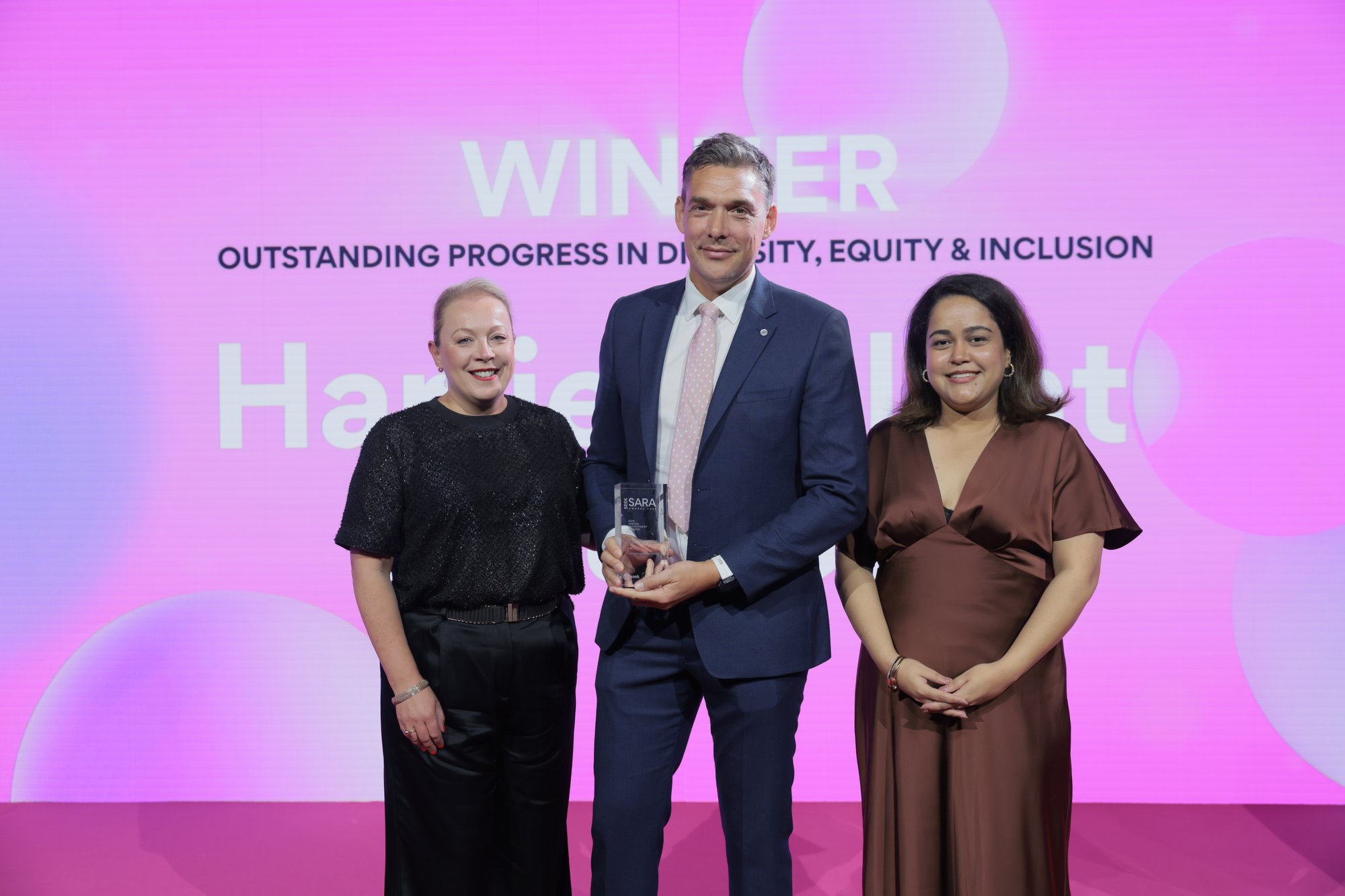
- We transformed a traditionally male‑dominated talent pool into a genuinely gender‑balanced shortlist at interview stage, creating unprecedented visibility for female talent in critical roles
- For critical roles, we built a substantially more gender‑balanced pipeline than the client had previously achieved, significantly elevating female representation at every stage of the process
- At senior leadership levels, we surfaced a strong cohort of gender‑diverse candidates, ensuring that high‑stakes roles were considered from a much broader and more inclusive talent pool
- 4+ out of 5 candidate satisfaction scores
.png "Diversity (1)")
About Our Customer
Harrier has been with this client for over 3 years delivering a Recruitment Process Outsourcing (RPO)solution that spans Australia and Papua New Guinea. A global publicly listed mining company, headquartered in North America, operating a portfolio of large, long-life gold and copper assets across Australia, North and South America, and Africa. With a history spanning more than a century, it is widely regarded as one of the world's leading gold producers.
The Solution
Harrier designed and implemented a multi-dimensional DEI strategy for Newmont built across three pillars: Strategic Sourcing Innovation, Pipeline Development, and Inclusive Process Design.
Strategic Sourcing Innovation centered on building the mining industry's most comprehensive female talent intelligence system, mapping over 3,750 min sites globally and sourcing diverse candidates across 6 countries. Gender-diverse profiles were developed for all senior roles achieving 36% representation at Level of Work 5 positions.
Pipeline Development created sustainable talent pathways through a work ready program, the first Indigenous talent pipeline in mining designed to support our client's 3.6% Indigenous employee target. Early careers recruitment was transformed, lifting female representation from 33% to 40% across graduate, vacation, and apprentice programs.
Inclusive Process Design re-engineered every recruitment touchpoint, application processes were redesigned, screening procedures updated, and bias-aware interview guides developed. A value assessment framework ensured cultural alignment without compromising inclusivity. Beyond gender, Harrier helped to facilitate our client's first ever disability hire in automation, fully supported with client-funded workplace adjustments.
The Results
-
Achieved a near gender‑balanced interview slate for senior executive roles, outperforming national mining benchmarks by a significant margin, while still delivering fully direct hire outcomes with no external agency support.
-
Built a markedly more gender‑balanced pipeline for critical roles than the prevailing regional mining average, with exceptional retention demonstrating that inclusive hiring delivered enduring careers rather than short‑term compliance outcomes.
-
Significantly increased gender diversity at the most senior level of work, materially outperforming national female workforce participation in mining at this tier.
-
Established the organisation’s first structured Indigenous talent pipeline in mining and its first disability inclusion hire in automation, creating repeatable diversity, equity and inclusion frameworks that can be scaled across the sector.
-
Delivered consistently high satisfaction scores from underrepresented candidates, helping to close a well‑documented perception gap in a sector where many still rate industry inclusivity poorly.
.svg "TEF Hubspot Featured Image (3)")